Transforming your property starts with a certified landscape planner who knows King County zoning rules inside and out. Whether you're dreaming of eco-friendly yards, a outdoor expert can turn vision into reality. From site plan development, every detail matters.
- Design your dream yard with local plant species
- Get budget-friendly solutions tailored to small urban lots
- Add outdoor lighting design for lasting beauty and function
With expert landscape consultation, your garden becomes a luxury retreat. Count on a licensed architect to guide your landscape project timeline from concept to completion.
The Role of a Landscape Architect
Initial Site Assessment for Outdoor Projects
Carrying out a thorough landscape audit is the critical step in any successful landscape project. A WA-licensed designer evaluates light patterns, earth texture, and mature trees to inform the design process.
- Chart property dimensions for precise plans
- Assess water flow to prevent potential water damage
- Determine underground services before construction
Creative Landscape Layouts
Crafting a usable and visually appealing backyard retreat starts with grasping your daily routines. A skilled designer blends pathway alignment with structural elements to improve your property’s usability.
For those desiring a contemporary look, the concept integrates vertical gardens into a cohesive design that reflects your preferences.

Eco-Friendly Yard Designs
Eco-conscious landscaping focuses on cutting environmental impact while optimizing seasonal functionality. A experienced designer incorporates drought-tolerant varieties and rain gardens to support biodiversity.
- Apply native plants for pest-resistant green spaces
- Create stormwater capture to reduce runoff
Permitting and Zoning Guidance
Adhering to local land-use laws is essential for any grading project. A licensed landscape professional guides you through the regulatory requirements, ensuring your proposal meets all official standards.
Managing site plan development, they prepare the proper paperwork to minimize delays and unexpected revisions during construction.
Advantages of Working With a Local Outdoor Expert
Understanding Pacific Northwest Weather
Creating for the wet King County conditions means choosing surfaces that endure freezing cycles. A SeaTac-based designer knows which cultivars thrive in our long autumns and how to preserve your hardscape year-round.
This regional insight leads to lower-risk results than generic or imported designs.
Familiarity with Local Regulations
All developments in SeaTac must align with complex city permitting standards. A WA-registered architect saves you delays by predicting documentation needs from day one.
- Ensure setbacks, height limits, and impervious surface ratios follow municipal guidelines
- Communicate directly with city planners on your behalf
Choosing Local Plant Species
Incorporating indigenous trees isn’t just eco-friendly—it’s smart landscaping. A SeaTac design expert selects disease-resistant shrubs that naturalize.
From salal, red flowering currant, and western red cedar, these indigenous options create climate-adaptive gardens.
Promoting Regional Biodiversity
Strategically laid out yard can nurture local wildlife while minimizing the need for irrigation. A certified landscape planner designs habitat corridors using organic mulches.
This method fosters a more balanced ecosystem right in your yard.
Popular Services Offered by SeaTac Landscape Architects
Private Outdoor Space Planning
Transform your private garden with a bespoke plan from a licensed professional. Whether you have a tight space or a large property, they craft low-maintenance outdoor living spaces.
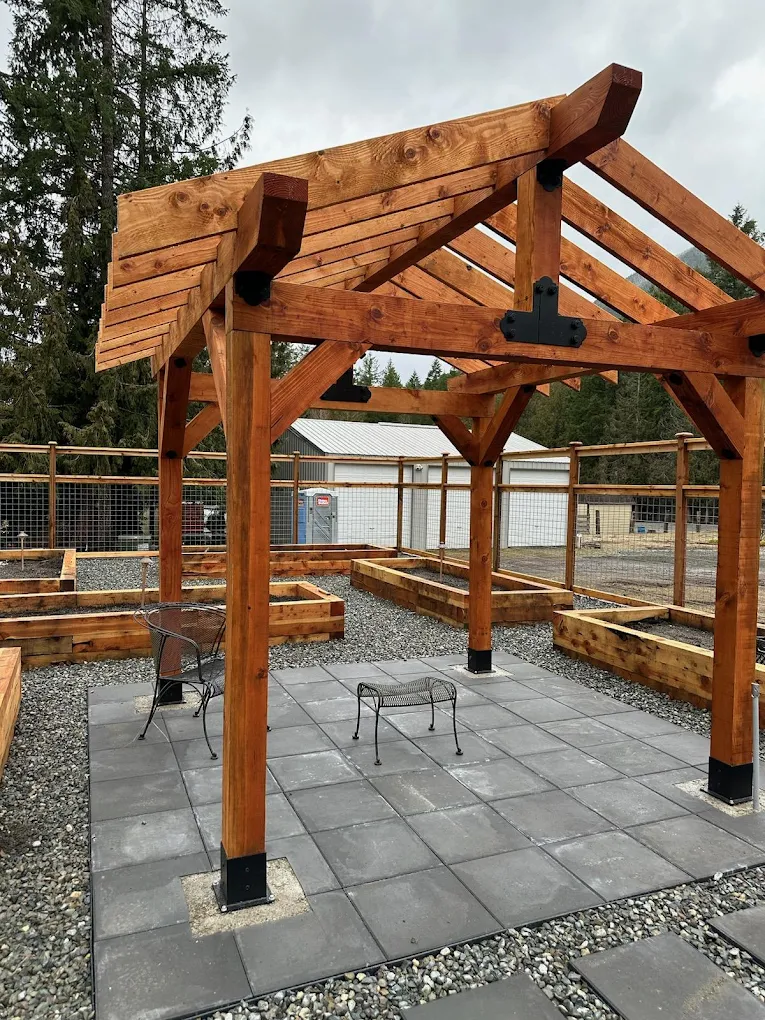
- Feature vegetable beds into your yard
- Improve sunlight with strategic hardscaping
Drainage and Grading Plans
Wet basements can threaten your property’s plants. A licensed landscape professional creates erosion control systems to safely redirect water away from structures.
Installing swales, they eliminate pooling, mud, and long-term foundation issues.
Hardscape Installation Design
Durable hardscape design enhances your home’s curb appeal. A SeaTac landscape architect designs patio and walkway visit this site planning using sustainable materials that match your home’s style.
Whether it’s a simple path, every element is precisely planned for durability.
Edible Landscape Planning
Produce fresh vegetables without sacrificing design. A WA-registered architect integrates food-producing plants into your yard using smart layouts.
- Pair vegetables with shrubs for textural contrast
- Create vertical planters for easy access
Tips for Hiring a Qualified Local Pro
Verify WA State Licensing
Not every landscape designers are licensed landscape professionals. Only a certified landscape planner can legally stamp zoning applications in King County.
Be sure to their board registration through the Washington State Landscape Architect Board before hiring.
Examine Past SeaTac Designs
Seeing real projects in Western WA gives you a honest sense of a firm’s attention to detail. A reputable landscape architecture firm showcases client testimonials that reflect your budget.
- Look for experience with comparable homes
- Judge the material quality in finished photos
Understanding Design Fees
Fees for affordable landscape design vary widely among local firms. Some charge per-square-foot pricing, while others offer retainer models.
Don’t forget to request a detailed contract proposal to eliminate hidden fees and ensure you’re getting the best value.
Check References from Homeowners
Online reviews reveal the true experience of working with a firm. Look for consistent praise around problem-solving—not just pretty pictures.
- Reach out past clients if references are provided to ask about their experience
- Review BBB reviews for patterns in complaints
Project Planning Process
First Meeting Essentials
Arranging your initial design meeting with a certified landscape planner in SeaTac starts the journey to your ideal outdoor space. During this virtual review, the designer analyzes your yard, discusses your priorities, and reviews any local regulations that may affect the project. You’ll also explore investment levels and timeline possibilities.
- Bring photos of yards you are inspired by
- Talk about functional needs like outdoor cooking
- Evaluate access points, drainage issues, and shrubs
Design Vision Showcase
Following the initial site analysis, your design pro creates a preliminary plan that brings your outdoor living space to life. This presentation includes 3D models showing key elements like edible gardens. You’ll see how climate-resilient design are integrated into a cohesive, functional layout tailored to SeaTac’s unique environment.
- Preview proposed zones for dining
- Grasp spatial relationships between plants
Client Feedback Integration
Your feedback are a essential part of creating a truly personalized landscape. Most architects in SeaTac offer one or two rounds of updates to align the plan with your aesthetic. Once the master layout reflects your goals, you’ll sign off the design before moving into the implementation phase.
This stage ensures your commercial landscape planning avoids costly changes later and sets a clear path for contractors and permitting.
Coordination with Contractors
Your designer doesn’t just draw plans—they coordinate the entire construction process to ensure quality and accuracy. They partner with licensed installers for tasks like grading and erosion control. This seamless coordination helps maintain the integrity of the original design while adhering to the agreed-upon delivery window.
With a comprehensive approach, your certified planner provider becomes your single point of contact from concept to completion.
Affordable Landscape Design Insights
What to Expect to Pay
Working with a experienced landscape architect in SeaTac typically involves design fees ranging from per square foot. For a standard residential lot, expect to invest between a few thousand for a full design package. These fees reflect the expertise of a professionally trained practitioner delivering high-quality plans that comply with local codes.
- Planning-phase services start around an affordable rate
- Comprehensive projects may include higher upfront costs but offer long-term savings
Key Cost Variables
Several elements influence the final cost of your outdoor living space. The scale of your property plays a major role, as does the need for soil remediation. Projects requiring rainwater management systems often involve more labor and materials. Additionally, selecting a top-rated design firm may cost more upfront but delivers superior results and fewer costly revisions down the line.
Complex irrigation also elevate pricing—so be clear about priorities early in the process.
Affordable Landscape Ideas
You don’t need to sacrifice beauty for affordability—many sustainable landscape design choices actually save money over time. Opting for Pacific Northwest native plants reduces watering needs and replacement costs. Using reclaimed materials keeps outdoor structure costs under control. Phasing your project in stages—like designing now and building later—can spread out expenses while still giving you a clear master plan.
- Focus on high-impact zones like entryways or patios
- Add mulched zones to reduce lawn area and maintenance
- Opt for prefab elements instead of custom builds
Smart Investment Strategies
Thinking ahead pays off—both aesthetically and financially. A well-thought-out site plan development prevents expensive rework and supports plant health for decades. Integrating rainwater management from the start avoids water damage and utility spikes. Plus, a professionally designed yard can increase your marketability significantly when it’s time to sell.
Climate-resilient design ensure your yard thrives through Seattle’s wet winters and dry summers—saving you time, money, and stress.
Long-Term Landscape Health
Water-Wise Garden Solutions
With increasingly dry summers, drought-tolerant landscaping is a smart move for any SeaTac homeowner. Using adapted local species like kinnikinnick, yarrow, or Oregon grape means less watering and fewer pests. These thrifty plants thrive in our region’s soil types, reducing reliance on irrigation. Pair them with soil conditioning to retain moisture and suppress weeds—creating a truly sustainable landscape.
- Replace thirsty turf with groundcovers
- Cluster plants by soil preferences for efficiency
Rain Garden Installation
Rain gardens are a powerful tool for managing runoff—especially in areas prone to pooling or erosion. A experienced designer can position a rain garden to capture roof and driveway runoff, filtering pollutants and recharging groundwater. This type of rainwater management not only supports King County environmental goals but may also qualify for rebates or incentives. Proper plant selection ensures your rain garden functions beautifully year-round.
These features blend seamlessly into residential landscape architecture, doubling as attractive wildlife habitats.
Low-Maintenance Plant Choices
Want a stunning yard without constant upkeep? Focus on low-maintenance landscaping that thrive in the Puget Sound climate. Evergreen perennials like sedum, ornamental grasses, and native ferns require minimal pruning and fertilizing. Shrubs such as manzanita or salal provide year-round structure with little input. By selecting the right resilient cultivars, you reduce mowing, watering, and chemical use—freeing up your weekends and protecting the environment.
- Limit high-maintenance exotics that demand special care
- Select species that require no staking
Irrigation System Integration
A well-designed irrigation system design is essential for healthy plants and water conservation. Modern systems use soil moisture probes to deliver water only when and where it’s needed. Your planner can integrate this with other elements like edible gardens to avoid interference and optimize coverage. Automated timers and app-based controls make maintenance effortless—perfect for busy homeowners who still want lush, vibrant results.
This level of precision supports climate-resilient gardens while keeping your utility bills in check.
Common Questions Regarding Landscape Architect in SeaTac, WA
What Does a Licensed Landscape Professional Help With My Outdoor Space?
Hiring a experienced landscape architect provides a strategic approach to your residential landscape architecture. They balance elements like stone features, water-wise solutions, and local plant species to create a sustainable yard.
From drainage solutions to outdoor lighting design, these experts address challenges while enhancing your landscape functionality.
When Should I Hire a Landscape Designer in SeaTac for a Compact Space?
Without a doubt, even small yard projects require the expertise of a certified landscape planner. They unlock the potential of city lots through creative layouts.
Tailored vertical gardens can upgrade a confined yard into a luxurious private retreat—all while complying with King County zoning rules standards.
How Is a Certified Landscape Planner Over a Regular Gardener?
A certified landscape planner offers comprehensive solutions that go far beyond trimming. They’re trained in drainage solutions, and hold professional accreditation to manage complex projects.
In contrast to a general gardener, a landscape architecture firm creates low-maintenance landscaping systems using rainwater management—ensuring your property is beautiful for all seasons.
Can a Landscape Architect in SeaTac Manage King County Zoning Rules?
Yes, a certified landscape planner is well-versed in King County zoning rules. They handle the full regulatory submission for your project.
Whether your design includes drainage solutions, they’ll ensure compliance with local regulations, shielding you against costly delays, fines, or redesigns—while keeping your vision on track.
What Types of Green Solutions Are Offered by a WA-Based Firm Add to My Yard?
A sustainable design expert can incorporate a wide range of sustainable features, including bioswales, Pacific Northwest native plants, and organic soil systems.
They also design energy-efficient pathway illumination, smart irrigation system design, and adaptive patio and walkway planning—all to create an beautiful yet responsible environment tailored to the King County climate.